هل نحتاج إلى علاقات عامة سعودية؟
تأثير الثقافة المحلية على إستراتيجيات العلاقات العامة: السعودية أنموذجًا

مع اتساع رقعة العولمة وتزايد التداخل الثقافي في فضاء الاتصال الحديث، لم تعد إستراتيجيات العلاقات العامة مجرّد أدوات تقنية تُنقل كما هي من بيئة إلى أخرى، بل بات من الضروري إعادة النظر في مدى مواءمتها للسياقات الثقافية والاجتماعية التي تُمارَس ضمنها 1. وفي قلب هذا النقاش، تبرز المملكة العربية السعودية بوصفها نموذجًا حيًا لتحولات اتصالية كبيرة، تتقاطع فيها عوامل الدين، والتقاليد، والتغيرات الاجتماعية المتسارعة.
ففي الوقت الذي استندت فيه نشأة العلاقات العامة إلى خلفية ثقافية أمريكية ذات نزعة فردانية وتوجه رأسمالي واضح 2، أصبحت هذه النماذج تُنقل إلى بيئات مغايرة دون تفكيكها أو تكييفها بما يتناسب مع البنى القيمية الجديدة. من هنا، تبرز الحاجة إلى فهم عميق للثقافة المحلية ليس بوصفها خلفية جامدة، بل كعامل مؤثر ومحدد لسلوكيات الجمهور، ونقطة ارتكاز في صياغة الرسائل الاتصالية واستراتيجيات العلاقات العامة.3
هذا المقال يسعى إلى استكشاف العلاقة الجدلية بين الثقافة المحلية وممارسات العلاقات العامة في المملكة، من خلال تحليل السمات الثقافية السائدة، واستعراض نماذج لحملات نجحت أو تعثرت بناءً على مدى اتساقها مع السياق السعودي. وفي قلب هذا الاستكشاف، تتجلى دعوة لتوطين الخطاب الاتصالي، وتطوير نماذج ومفاهيم نابعة من الداخل، لا مستوردة من الخارج.
أولًا: السياق الثقافي كأداة مؤثرة في العلاقات العامة
لا يمكننا النظر اليوم إلى العلاقات العامة والحملات الاتصالية المختلفة بالانفكاك عن السياقات الثقافية والاجتماعية والتاريخية والدينية، حيث تلعب هذه العوامل دورًا حيويًا وديناميكيًا يؤثر في مختلف جوانب الاتصال، وتحتم على الممارس المهني فهمًا معمقًا لكل من هذه العوامل قبل إعداد وتنفيذ الخطط الاتصالية تجنبًا لسوء اتصالي بين مختلف الأطراف. 4
يؤكد نموذج Sriramesh & Verčič على هذه الفكرة، مشيرًا إلى كون العلاقات العامة ممارسة ثقافية قبل كل شيء، وليست وظيفة ذات طابع آلي وهندسي ويمكن تعميها على الجميع، الأمر الذي يتحدّى المفهوم السائد بأن نماذج العلاقات العامة والإستراتيجيات الاتصالية مناسبة للجميع، بل تتبع نهجًا مرنًا قابلًا للتخصيص لتتواءم مع السياقات الثقافية. 5
وفقًا لما سبق، ونظرًا لنشأة العلاقات العامة في بيئة دخيلة عن المجتمع العربي والسعودي -الذي نتخذه أنموذجًا في مقالنا- حيث ولدت العلاقات العامة على يد " إدوارد بيرنيز " الذي أرسى قواعد هذا العلم وفقًا لحاجات تغذي الحاجة الرأسمالية المترسخة في جذور المجتمع الأمريكي، مطلقًا أولى حملات العلاقات العامة لتشجيع أو زراعة الأفكار الاستهلاكية لمنفعة شركات كُبرى. لذا نرى أن النشأة الثقافية ناهيك عن الغائية العلمية خلف هذا المجال تعد محل دراسة وتحليل عند انتقاله خارج حدوده الجغرافية التي مخَّضته. 6

على ذات السياق؛ تقدم نظرية هوفستيد للأبعاد الثقافية إطارًا تحليليًا لعرفة كيف تأثر القيم الثقافية على أنماط السلوك الاتصالي والإستراتيجي والتنظيمي، وما هي تأثيراته على ممارسات العلاقات العامة، إذ تصف هذه النظرية الثقافات بخمس ركائز: المسافة السلطوية، الفردية/الجماعية، الذكورة/الأنوثة، التوجه طويل/قصيرة الأمد 7. وبناءً على ما سبق باتت الفوارق الثقافية ملحوظة عند مقارنتها مع الثقافات الأخرى -غير السعودية- حيث تختلف المملكة العربية السعودية مع الولايات المتحدة الأمريكية في ركيزة المسافة السلطوية، الفردية/الجماعية، الذكورة/الأنوثة 8، الأمر الذي يبطل مفهوم "أفضل ممارسات العلاقات العامة" أو "وفقًا للممارسات العالمية في العلاقات العامة" لأن الممارسة العالمية تساوي بين مختلف الأطراف والثقافات الأمر الذي يهدم صميم العلمية الاتصالية وفقًا لما أشرنا إليه آنفًا. ولكن لمعرفة انعكاسات هذه الفكرة وتبعاتها في حقل العلاقات العامة في المملكة العربية السعودية، يجب علينا تحليل السمات الثقافية المحلية المؤثرة في الحقول الاتصالية، وما هي انعكاسات هذه السمات على الواقع المهني والعملي لحقل العلاقات العامة وتوابعها الاتصالية. 9
مرّر أفقيًا أو استخدم مفاتيح الأسهم لرؤية جميع الأعمدة ↔
| البعد الثقافي | السعودية | الولايات المتحدة | المملكة المتحدة |
|---|---|---|---|
| المسافة السلطوية (PDI) | 95 (عالية جدًا) | منخفضة (تميل إلى المساواة) | 35 (منخفضة نسبيًا) |
| الفردية/الجماعية (IDV) | 20-25 (جماعية) | فردية (تركز على الذات) | 89 (فردية جدًا) |
| الذكورة/الأنوثة (MAS) | 60 (ذكورية) | ذكورية (تركز على الإنجاز) | غير محدد بوضوح، يميل للذكورة |
| التوجه طويل/قصير الأمد (LTO) | 36 (متوسط/قصير) | غير محدد | غير محدد |
يوفر هذا الجدول مقارنة كمية للاختلافات الثقافية الرئيسية بين السعودية والدول الغربية (الولايات المتحدة والمملكة المتحدة)، مما يسلط الضوء على الحاجة الملحة إلى تكييف استراتيجيات العلاقات العامة 10
ثانيًا: الهوية الثقافية السعودية وأثرها على الإستراتيجيات الاتصالية
تشكلت السمات الثقافية في المملكة العربية السعودية بناءً عوامل متعددة وثقل تاريخي شكل المشهد الثقافي والاجتماعي المحلي، كما يُعد العامل الديني الدور الأبرز في تشكيل هذه السمات.
القيم الدينية والاجتماعية:
تلعب القيم الدينية والاجتماعية دورًا حيويًا في حياة المجتمع السعودي اليوم، حيث يحدد الدين إطارًا شاملًا للسلوكيات والأخلاقيات والعادات، وعلى نطاق أوسع تُعد الشريعة الإسلامية المرجع الأساسي للدولة السعودية وفق ما ينص عبيه النظام الأساسي للحكم 11، وعليه بُنيت التشريعات والقوانين القضائية والتنظيمية. لتصبح القيم الدينية ولاجتماعية في المملكة سلاحًا ذو حدين للاستراتيجيات الاتصالية، إذ من الممكن توظيفها بصورة مثالية لبناء الثقة مع الجمهور المحلي، ولكن إساءة التوظيف ستتسبب في أزمة سمعة يصعب تداركها.
خلقت هذه السمة تحديًا ملحًا في المملكة العربية السعودي، حيث شهدت المملكة العربية السعودية منذ الإعلان عن رؤية المملكة العربية السعودية في عام 2016 12 تحولات ثقافية واجتماعية، وانفتاحًا على العالم أجمع، مما جعل المملكة نقطة جذب للعديد من الشركات والمنظمات العابرة للقارات لدخول السوق السعودي، بالإضافة إلى الخبرات العالمية في مجال العلاقات العامة، الأمر الذي وضع العلاقات العامة والاتصال أمام تحدّيها الأول حول إمكانية تطبيق استراتيجيات تتواءم مع الجمهور المحلي، وسياقه الثقافي والاجتماعي والديني.13
وسنتطرق في هذا المقال لنماذج نجحت في تحقيق أغراضها الاتصالية بالتوافق مع المعيار الثقافي والديني، وأخرى أخفقت في اجتياز المعيار الاجتماعي والديني، مصطدمة مع الجمهور المحلي.
القيم التراتبية واحترام التسلسل الهرمي
تُظهر المملكة العربية السعودية درجة مرتفعة في معيار القيم التراتبية والسلطوي، ويعد احترام التسلسل الهرمي سواء في السياسة أو الأسرة والمجتمع ذو قيمة عليا، وأفرزت هذه القيمة مفاهيم مقاربة مثل احترام القادة والسلطة المركزية 14على عكس المجتمعات الغربية -الولايات المتحدة الأمريكية أنموذجًا-.
خلقت هذه القيمة مفهومًا اتصاليًا مفاده أن مصداقية الرسائل الاتصالية تنحاز إلى قنوات الاتصال الرسمية في الدولة، فالرسائل الصادرة من الدولة على سبيل المثال لها ثقل خاص عن الجمهور السعودي وتعد ذات مصداقية عالية، وتعد حملات العلاقات العامة الصادرة من قبل شخصيات رفيعة المستوى فعّالة مقارنة بغيرها من الشخصيات أو الجهات غير الرسمي، الأمر الذي يحتّم على ممارسي العلاقات العامة فهم وتحليل الإشارات الدقيقة والتغذية الراجعة وفقًا لهذه القيمة. 15
الجماعة مقابل الفرد:
يظهر المجتمع السعودي درجة منخفضة على مؤشر الفردية، مما يشير إلى كونه مجتمع ترابطي يميل إلى تقدير قيم العائلة، القبيلة، أو المنظمة. ويعد الولاء لهذه المجموعات حجر زاوية في أساس التعاملات الاجتماعية، حيث تأتي المصلحة الخاصة دون المصلحة العامة، وأن السلوكيات والقرارات الحاسمة تقيّم بناءً على تأثيرها على سمعة الجماعة. 16
تنعكس هذه القيمة مباشرة مع الإستراتيجيات الاتصالية وخطط العلاقات العامة في عدة جوانب، من أبرزها في سياقات إدارة الأزمات، حيث يجب أن ترتكز الرسائل الاتصالية المتجاوبة مع الأزمة على طمأنة المجموعة وإظهار التعاطف معها، وتجنب اللوم الفردي. كما تحظى حملات العلاقات العامة التي تراعي هذه القيمة بنسبة نجاح أعلى من نظيراتها، كحملات المسؤولية الاجتماعية وتعزيز الروابط الداخلية وما إلى ذلك.
الرمزية والسياق في التواصل الجماهيري
ترتكز الثقافة السعودية على السياق الاجتماعي والإشارات غير اللفظية والضمنّية في تلقي الرسائل الاتصالية 17حيث يفهم الجمهور المحلي الرسالة الاتصالية عبر الإشارات الضمنية لا التصريحات أو المواجهة المباشرة، وتستلزم هذه الطبيعة نهجًا مختلفًا في إدارة العلاقات العامة، عمادها الثقة المتبادلة التي تُبنى على فترة زمنية طويلة.
التعالي الثقافي
على غرار المجتمعات العربية، يتّسم المجتمع السعودية في تركيبته الثقافية بحساسية تجاه النبرة المتعالية والفوقية، التي قد تظهر قصدًا أو تغافلًا من قبل حملات العلاقات العامة الداخلية والخارجية، فحين تُساغ الرسالة بلغة تنطوي على وصاية ثقافية بشكل أو بآخر، وتستخدم مضامين تحاكي الإرشاد والتوجيه من منطلق تفوق حضاري، فستواجه رفضًا شعبيًا، ولا نتحدث عن الأمثلة الواضحة الصريحة، بل حتى التلميحات البسيطة قد تؤدي إلى أزمة سمعة غير متوقعة. ويهمل العديد من خبراء العلاقات العامة أهمية هذه السمة التي قد تبدو "فرط حساسية" للعين المجرد، ولكن رصدها مبكرًا عبر تشرّب السمات الثقافية للواقع المحلي؛ خطوة ذات أهمية. 18
ثالثًا: تأثير السمات الثقافية على واقع حملات العلاقات العامة والرسائل الاتصالية في المملكة العربية السعودية:
تتجلى تأثيرات السمات الثقافية بوضوح من خلال ممارسات العلاقات العامة والإستراتيجيات الاتصالية محليًا، حيث تتشكل طبيعة الخطاب الإعلامي ورسائله، الحملات الإعلامية، إدارة الأزمات؛ مرورًا بالسمات الثقافية دون تجاوزها، ويميل التواصل مع الجمهور محليًا عبر رسائل مؤسسية لا الرسائل المباشرة والموجهة.
لنأخذ ملف إدارة الأزمات على سبيل المثال، تركّز معظم الحملات الناجحة في المملكة على رسائل ذات بعدٍ إنساني وديني، متجاوزة نشر المعلومات فقط، بل وصولًا إلى تعزيز القيم الثقافية مثل التماسك الاجتماعي، المسؤولية الاجتماعية، والرسائل ذات البعد الديني. ومن المهم الإشارة إلى حملة إدارة أزمة وباء كورونا، حيث عمدت وزارة الصحة السعودية على إدارة فعّالة للأزمة مرتكزة على الرسائل العاطفية المطمئنة، واستخدام أوجه إعلامية ذات صلة مع الجمهور المحلي 19، وآتت هذه الإستراتيجيات ثمارها وفقًا للصبغة الثقافية للدولة. في المقابل تتخذ الإستراتيجيات الغربية، تحديدًا في المملكة المتحدة والولايات المتحدة الأمريكية منهجًا مغايرًا، قائم على الشفافية في الرسائل، والسرعة في التواصل والاستجابة، وهي منهجية تناسب الشكل الثقافي للمجتمعات الغربية. 20 21 22
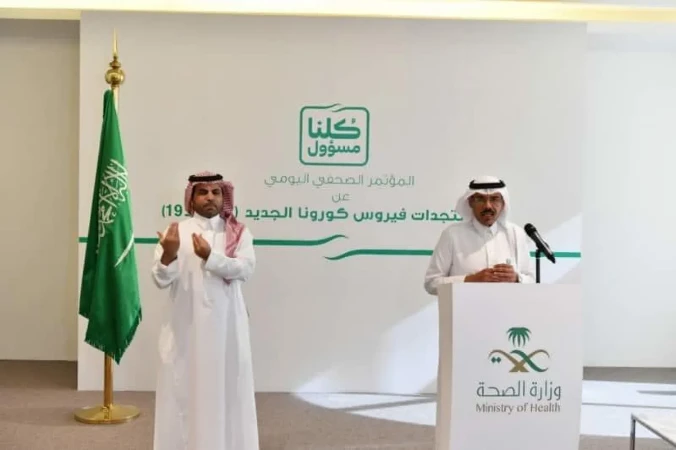
النص الظاهر في الصورة: «كلنا مسؤول».
رابعًا: فجوة الممارسة الاتصالية وتحديات توطين العلاقات العامة في المملكة
نظرًا لكون العلاقات العامة حديثة نسبيًا في المملكة العربية السعودية والعالم العربي، حيث انطلقت ممارسات العلاقات العامة المنهجية في 1932 من بدايات شركة أرامكو السعودية، التي اعتمدت على خبرات عالمية لإدارة خططها الاتصالي واستراتيجيات العلاقات العامة، إلا أن هذه الحالة لم تتقاطع بصورة مباشرة مع لجمهور المحلي، بل عملت على إبراز صورة الشركة الواعدة والرائدة في مجال الطاقة كما تشير رسائلها الاتصالية. ومع سبعينيات القرن الماضي، شهدت العديد من الوزارات والشركات الكبرى افتتاح أقسام علاقات عامة من أجل إدارة الملفات الاتصالية، واستعانت الكثير من الجهات بالخبرات الدولية في كثير من الأحيان لإدارة العلاقات العامة، الأمر الذي ترك فجوات اتصالية من حيث اتساق الرسائل مع الجمهور المحلي بالتوافق مع سماته الثقافية، فلا يملك الخبراء الدوليين هذه الذاكرة الثقافية المحلية، ولم يتفطّن البعض بضرورة ترجمة الآليات والإستراتيجيات بلغة قابلة للهضم للجمهور المحلي، مما ضاعف من حجم الأزمة. 23
وبالتزامن مع هذا التوسع، أشرفت المملكة العربية السعودية ممثلة بوزارة التعليم على توفير برامج الابتعاث للطلبة السعوديين لغرض صقل الخبرات المحلية حتى يتولوا المشروع الاتصالي 24 ، وعلى الرغم من أهمية هذه الخطوة، إلا أن آثارها السلبية كانت واضحة لدى الكثير، فعلى الرغم من امتلاك الطلبة للذاكرة الثقافية القادرة على فهم وتفكيك السمات الثقافية المحلية، إلا أنه لم يُدّربوا على الآليات المناسبة في ممارسة العلاقات العامة واستراتيجياتها، فكيف له أن يطور هذه الآليات بالتعليم خارج المنطقة المراد دراستها، حيث أظهرت الدراسات أن النماذج الاتصالية المستخدمة اليوم في المملكة تتناسب مع النماذج المطورة في الغرب، مثل نموذج جرونج ثنائي الاتجاه المتماثل، ولكن هذه النماذج تواجه تحديات في تطبيقها لعدم اتساقها مع السمات الثقافية المحلية والواقع الاجتماعي. 25
ولمعالجة هذه المعضلة، حري بالجهات الأكاديمية في المملكة العربية السعودية العمل على إعداد خطط أكاديمية بمساعدة الباحثين في مجال الاتصال، من أجل تطوير مناهج علاقات عامة محلية تتناسب وتنسجم مع الواقع المحلي، على أن تعتمد المناهج المطورة اللغة العربية كلغة رسمية في تدريس العلوم الاتصالية، نظرًا لكون علوم الاتصال علومًا إنسانيةً ذات ثقل ثقافي وإنساني، مستعصية على الفهم والإتقان دون وعائها اللغوي المناسب، على غرار علوم اللغة وما إلى ذلك. 26
خامسًا: دراسات حالة من الواقع الاتصالي في المملكة
بناءً على ما ذكرناه آنفًا عن خطورة تجاهل الخصوصيات الثقافية على ممارسة العلاقات العامة؛ اصطدمت العديد من الحملات الاتصالية بعوائق ثقافية مسببة أزمات إعلامية، فعلى الرغم من الكفاءة التنفيذ البصري والإبداعي، وجاذبية الفكرة، إلا أنها لم تشفع لإهمال الخصوصية الثقافية، مؤكدةً أن الحس المحلي وضرورة وجود "مترجم ثقافي" 27 في حال كان المسؤولية على عاتق الخبرات الأجنبية؛ من صميم العملية الاتصالية المُحكمة والمتينة، ومن هذه الأمثلة:
كشفت إحدى شركات الطيران في المملكة العربية السعودية عن نظامها الترفيهي الجديد على متن طائراتها، الذي يتيح لركابها استخدام الشاشات التفاعلية أمام المقعد لطلب الطعام وغيرها من الخدمات، ودشنت حملة متكاملة مهمتها لفت الانتباه على هذه الخاصية الجذابة والتنافسية، ولكن تضمنت هذه الحملة مقطعًا إعلانيًا يُظهر شابًا سعوديًا بملامح واضحة وزي سعودي وهو يحاول استخدام هذه الشاشات دون جدوى، فإذ براكب أجنبي بجانبه يرشده على طريقة الاستخدام. للوهلة الأولى قد يبدو إعلانًا كغيره من الإعلانات، ولكن القارئ الجيد للسمات الثقافية المحلية سيرى الخلل بوضوح، وإن لم يتصور حجمه. وبالفعل تسبب الإعلان في موجة غضب شعبية، واضطرت الشركة إلى الاعتذار وتغيير مضمون الإعلان بعد ذلك.

وقع الخلل في المثال المسابق نظرًا لأن الجمهور المحلي حلل الأمر بصفته "تعاليًا ثقافيًا" حيث يظهر السعودي بصفة الجاهل بالتقنية والطائرات، في حين ظهر الأجنبي متفوقًا حضاريًا، وإن كان هذا ضربًا بعيدًا لدى البعض، ولكن الإلمام بالقضايا الثقافية البسيطة كفيل بحماية المنشأة من خطر محدق. 28
على الجانب الآخر، قدّمت إحدى شركات الألبان في المملكة العربية السعودية نموذجًا واضحًا لخطورة إهمال الخصائص الثقافية، وتحديدًا القيم الدينية في هذا النموذج، حيث نشرت في سبتمبر 2019م إعلانًا ترويجيًا احتفالاً باليوم الوطني السعودي، ويظهر صورة فنية لكوب حليب وفي الخلفية الصوتية نقاشات شعبية حول قضايا ذات حساسية ثقافية ودينية آنذاك، واختتم الإعلان بقوله: "مهما كان توجهنا، ومهما اختلفت آراؤنا، يجمعنا وطن واحد، ونستظل براية واحدة". تسبب الإعلان بموجة غضب واسعة النطاق بين مختلف الأطياف، واضطرت الشركة إلى حذف الإعلان وتقديم اعتذارًا رسميًا يشرح موقفها غير المقصود.
استخدمت الشركة هنا نهجًا اتصاليًا ذو شفافية عالية، وهو نهج غربي الأصل والنشأة، فالشفافية في الطرح، والتصادم المباشر مع الجمهور ليست من الخصائص الاتصالية المحلية التي ينصح بانتهاجها في المملكة العربية السعودية، خصوصًا إن رافقتها رسائل بطابع ديني أو اجتماعي. 29
وعلى ذات النهج، قدمت إحدى القنوات الإعلامية المعروفة في 2017 حملة على منصات التواصل الاجتماعي بعنوان "كوني حرة" الأمر الذي أثار موجة من الانتقادات بصفتها تأليب على الرأي العالم المحلي والواقع الثقافي السعودي، ووضع المجموعة الإعلامية في أزمة سمعة واجهتها بتحميل المسؤولية على عاتق الإدارة المعنية. مرة أخرى يقدم لنا هذا النموذج نظرة واضحة حول عواقب إهمال العوامل الثقافية، وأن العلاقات العامة والخطط الاتصالية لا تعمل بمنأى عن هذه السمات والخصائص. 30
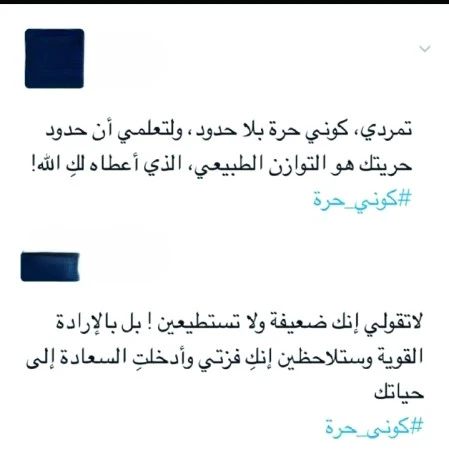
النص المقروء في الصورة: «تمردي، كوني حرة بلا حدود، ولتعلمي أن حدود حريتك هو التوازن الطبيعي الذي أعطاه لك الله!» #كوني_حرة «لاتقولي إنك ضعيفة ولا تستطيعين ! بل بإرادة القوة وستلاحظين إنك قررتي وأدخلت السعادة إلى حياتك» #كوني_حرة
النتيجة:
تكشف هذه المقالة حقيقة لا يمكن إنكارها، مفادها "لا توجد ممارسة اتصالية ناجحة بمعزل عن السياق الثقافي الذي تنشأ فيه وتتفاعل معه". أظهرت النماذج التحليلية والوقائع الميدانية أن المفاهيم الاتصالية الغربية، رغم ما تتمتع به من نجاعة تنظيمية ونظرية، تفتقر أحيانًا إلى المرونة اللازمة للتأقلم مع البنية القيمية والاجتماعية المحلية في السعودية. فالاعتماد على النموذجين التوصيلي أو المتماثل كما صاغهما جرونج دون إعادة تفكيكهما ثقافيًا، أدى في أحيان كثيرة إلى فجوات اتصال، وسوء فهم، بل وحتى أزمات حقيقية.31
وقد أوضحت التجارب الميدانية، من خلال حملات فشلت رغم احترافيتها التقنية، أن تجاهل الخصوصيات الدينية والتراتبية المجتمعية، أو استخدام لغة تنطوي على تعالٍ ثقافي وغيرها، قد يقوّض الجهود الاتصالية من جذورها. في المقابل؛ كشفت بعض الحملات الناجحة عن أهمية المواءمة الثقافية كشرط أساسي لنجاح الرسائل وتفاعل الجمهور معها.
وعليه، فإن صناعة العلاقات العامة في السعودية مدعوة إلى إعادة النظر في نماذجها المستوردة، وتطوير أدواتها المحلية المستندة إلى فهم دقيق لبنية القيم والثقافة، مع ضرورة تكامل الجهود الأكاديمية والمهنية لتأسيس ممارسة اتصالية قائمة على الانسجام لا الاستنساخ، وعلى الترجمة الثقافية لا النقل الحرفي.
الخاتمة:
يتضح من هذا المقال أن الثقافة تلعب دورًا كبيرًا في نجاح أو فشل استراتيجيات العلاقات العامة. فالمفاهيم والنماذج الاتصالية التي نشأت في بيئات غربية لا يمكن تطبيقها كما هي في المملكة العربية السعودية دون مراعاة الخصوصيات الثقافية والاجتماعية والدينية. لقد أظهرت التجارب أن تجاهل هذه الجوانب قد يؤدي إلى سوء فهم أو حتى أزمات حقيقية، بينما تنجح الحملات التي تنطلق من فهم حقيقي للقيم المحلية وتتكيف معها.
لذلك، من المهم أن يُعاد النظر في الطرق والمناهج المستخدمة في العلاقات العامة داخل السعودية، وأن تُبنى استراتيجيات اتصال تنطلق من الداخل، من فهم المجتمع وثقافته، لا من نماذج جاهزة من الخارج. كما يجب أن يكون هناك تعاون بين الجامعات والجهات المهنية لتطوير هذا المجال بما يتناسب مع واقعنا المحلي، ويعكس هويتنا الثقافية.
الحواشي
Sriramesh, K. and Verčič, D., eds., 2009. Culture and Public Relations: Links and Implications. New York: Routledge.
العودة إلى النص ↩de Mooij, M. and Hofstede, G. (2015) ‘The Hofstede model’, International Journal of Advertising: The Review of Marketing Communications [online]. https://dl1.cuni.cz/mod/resource/view.php?id=281126
العودة إلى النص ↩de Mooij, M. and Hofstede, G. (2015) ‘The Hofstede model’, International Journal of Advertising: The Review of Marketing Communications [online]. https://dl1.cuni.cz/mod/resource/view.php?id=281126
العودة إلى النص ↩Sriramesh, K. and Verčič, D., eds., 2009. Culture and Public Relations: Links and Implications. New York: Routledge.
العودة إلى النص ↩Sriramesh, K. and Verčič, D., eds., 2009. Culture and Public Relations: Links and Implications. New York: Routledge.
العودة إلى النص ↩Fletcher, F. (2014) The career and times of Edward L. Bernays. Ed.D./MBA thesis
العودة إلى النص ↩Hofstede, G. (2001) Culture’s Consequences: Comparing Values, Behaviors, Institutions and Organizations Across Nations. 2nd edn. Thousand Oaks, CA: Sage.
العودة إلى النص ↩Singh, H. and Alshammari, K., 2021. Impacts of digital technology-enabled personalized and adaptive learning on student learning performance: A TOE framework for Saudi Arabia. International Transaction Journal of Engineering, Management, & Applied Sciences & Technologies, 12, pp.1–12. doi:10.14456/ITJEMAST.2021.262.
العودة إلى النص ↩Bernays, E.L., 1923. Crystallizing Public Opinion. New York: Boni and Liveright.
العودة إلى النص ↩de Mooij, M. and Hofstede, G., 2015. The Hofstede model. International Journal of Advertising: The Review of Marketing Communications.
Effat University & Hope College, n.d. Power Distance - Intercultural Communication Project.
ResearchGate, 2019. Differences Between Arab World Culture and British Culture Based on Hofstede Dimensions and Their Impact on Web Design.
ResearchGate, 2022. Saudi Arabia Score on Hofstede Cultural Dimensions.
Second Hand Words, n.d. Hofstede Cultural Dimensions: KSA.
العودة إلى النص ↩حكومة المملكة العربية السعودية، 1992. النظام الأساسي للحكم، الأمر الملكي رقم أ/90 بتاريخ 27/8/1412هـ. [متاح عبر الإنترنت] متوفر على: https://laws.boe.gov.sa/
العودة إلى النص ↩مجلس الشؤون الاقتصادية والتنمية، 2016. رؤية المملكة العربية السعودية 2030. [متاح عبر الإنترنت] متوفر على: https://www.vision2030.gov.sa/ar
العودة إلى النص ↩على الرغم من دخول العلاقات العامة بشكلها الاحترافي في 1932م مع شركة أرامكو المعروفة سابقًا بشركة الزيت السعودية الأمريكي، إلا أن تركيز استراتيجيات العلاقات العامة والاستراتيجيات الاتصالي آنذاك مقتصرًا على الجمهور الدولي، حيث ارادت الشركة إثبات دورها كلاعب رئيس وموثوق في ملف الطاقة، الأمر الذي منع التقاطعات المباشرة مع الجمهور السعودي بشكل مباشر. كما تعد الطفرة الاقتصادية التي عاشتها المملكة في ستينيات وسبعينيات القرن الماضي نقطة انطلاقة لدخول عمالقة العلاقات العامة إلى المملكة، ولكن معظم التجارب آنذاك غير مؤرخة ويُتعذر دراستها أكاديميًا
العودة إلى النص ↩Albugami, A., 2023. Employee voice in Saudi Arabia. RANGE: Undergraduate Research Journal [online]. Available at: https://uen.pressbooks.pub/2023range/chapter/albugami/
العودة إلى النص ↩Abdelhay, N., 2012. Public relations practice in the Kingdom of Saudi Arabia: Western theories, Islamic perspectives and the cultural context. PhD thesis. University of West London. Available at: https://repository.uwl.ac.uk/id/eprint/1273/4/Nawaf_Abdelhay_-_Thesis.pdf
العودة إلى النص ↩Singh, H. and Alshammari, K., 2021. Impacts of digital technology-enabled personalized and adaptive learning on student learning performance: A TOE framework for Saudi Arabia. International Transaction Journal of Engineering, Management, & Applied Sciences & Technologies, 12, pp.1–12. doi:10.14456/ITJEMAST.2021.262.
العودة إلى النص ↩Rivermate, 2025. Cultural considerations in Saudi Arabia. [online] Rivermate. Available at: https://www.rivermate.com/guides/saudi-arabia/cultural-considerations
العودة إلى النص ↩CNN Arabic. (2023). إعلان للخطوط الجوية السعودية يثير جدلاً بعد مشاركة خابي لام.. ما القصة؟ [online] CNN Arabic. Available at: https://arabic.cnn.com/travel/article/2023/07/13/saudi-airlines-advertisement-khaby-social
العودة إلى النص ↩ResearchGate, 2023. دور العلاقات العامة في إدارة أزمة كورونا في المملكة العربية السعودية: نماذج تطبيقية.
العودة إلى النص ↩Exploring the Role of Culture in Shaping Communication Practices in Saudi Arabian Organizations: A Qualitative Study. [online] ResearchGate. Available at: https://www.researchgate.net/publication/375182659_Exploring_the_Role_of_Culture_in_Shaping_Communication_Practices_in_Saudi_Arabian_Organizations_A_Qualitative_Study
العودة إلى النص ↩Al-Harbi, A. (2023). Public relations via the X platform: a critical study of crisis communication issued by Saudi governmental organisations during Covid-19. [PhD thesis] University of Strathclyde. Available at: https://stax.strath.ac.uk/concern/theses/hx11xf883
العودة إلى النص ↩U.S.-Saudi Business Council. (n.d.). The Importance of Crisis Management in US-Saudi Business Relations. [online] Available at: https://www.us-saudi-business.org/the-importance-of-crisis-management-in-us-saudi-business-relations/
العودة إلى النص ↩Al-Mansour, A. (2021). Attitudes of Public Relations Practitioners in the Kingdom of Saudi Arabia towards Knowledge, Skill, and Competence | اتجاهات ممارسي العلاقات العامة في المملكة العربية السعودية تجاه المعرفة والمهارة والممارسة المهنية. [online]
العودة إلى النص ↩منتدى الخادم الحرمين الشريفين للابتعاث الخارجي، 2005. برنامج خادم الحرمين الشريفين للابتعاث الخارجي. وينك: ويكيبيديا. تاريخ النشر: 13 مارس 2011.
العودة إلى النص ↩Albugami, A., 2023. Employee voice in Saudi Arabia. RANGE: Undergraduate Research Journal [online]. Available at: https://uen.pressbooks.pub/2023range/chapter/albugami/
العودة إلى النص ↩Civan, A. & Coşkun, A., 2016. The effect of the medium of instruction language on the academic success of university students. Educational Sciences: Theory & Practice, 16(6), pp.1981–2004
العودة إلى النص ↩Abdelhay, N., 2012. Public relations practice in the Kingdom of Saudi Arabia: Western theories, Islamic perspectives and the cultural context. PhD thesis. University of West London. Available at: https://repository.uwl.ac.uk/id/eprint/1273/4/Nawaf_Abdelhay_-_Thesis.pdf
العودة إلى النص ↩CNN Arabic. (2023). إعلان للخطوط الجوية السعودية يثير جدلاً بعد مشاركة خابي لام.. ما القصة؟ [online] CNN Arabic. Available at: https://arabic.cnn.com/travel/article/2023/07/13/saudi-airlines-advertisement-khaby-social
العودة إلى النص ↩BBC Arabic. (2019). إعلان شركة سعودية يثير غضب السعوديين ويعتبرونه مسيئًا للدين. [online] 20 September. Available at: https://www.bbc.com/arabic/trending-49728604
العودة إلى النص ↩Sabq. (2017). بعد تغريدات "كوني حرة".. MBC توضح: موظف اعتمد أسلوبًا خاطئًا وصياغة مرفوضة. [online] 20 July. Available at: https://sabq.org/saudia/بعد-تغريدات-كوني-حرة-mbc-توضح-موظف-اعتمد-أسلوبا-خاطئا-وصياغة-مرفوضة
العودة إلى النص ↩Albugami, A., 2023. Employee voice in Saudi Arabia. RANGE: Undergraduate Research Journal [online]. Available at: https://uen.pressbooks.pub/2023range/chapter/albugami/
العودة إلى النص ↩
المراجع
- Sriramesh, K. and Verčič, D., eds., 2009. Culture and Public Relations: Links and Implications. New York: Routledge.
- de Mooij, M. and Hofstede, G. (2015) ‘The Hofstede model’, International Journal of Advertising: The Review of Marketing Communications [online]. https://dl1.cuni.cz/mod/resource/view.php?id=281126
- de Mooij, M. and Hofstede, G. (2015) ‘The Hofstede model’, International Journal of Advertising: The Review of Marketing Communications [online]. https://dl1.cuni.cz/mod/resource/view.php?id=281126
- Sriramesh, K. and Verčič, D., eds., 2009. Culture and Public Relations: Links and Implications. New York: Routledge.
- Sriramesh, K. and Verčič, D., eds., 2009. Culture and Public Relations: Links and Implications. New York: Routledge.
- Fletcher, F. (2014) The career and times of Edward L. Bernays. Ed.D./MBA thesis
- Hofstede, G. (2001) Culture’s Consequences: Comparing Values, Behaviors, Institutions and Organizations Across Nations. 2nd edn. Thousand Oaks, CA: Sage.
- Singh, H. and Alshammari, K., 2021. Impacts of digital technology-enabled personalized and adaptive learning on student learning performance: A TOE framework for Saudi Arabia. International Transaction Journal of Engineering, Management, & Applied Sciences & Technologies, 12, pp.1–12. doi:10.14456/ITJEMAST.2021.262.
- Bernays, E.L., 1923. Crystallizing Public Opinion. New York: Boni and Liveright.
- de Mooij, M. and Hofstede, G., 2015. The Hofstede model. International Journal of Advertising: The Review of Marketing Communications.
- Effat University & Hope College, n.d. Power Distance - Intercultural Communication Project.
- ResearchGate, 2019. Differences Between Arab World Culture and British Culture Based on Hofstede Dimensions and Their Impact on Web Design.
- ResearchGate, 2022. Saudi Arabia Score on Hofstede Cultural Dimensions.
- Second Hand Words, n.d. Hofstede Cultural Dimensions: KSA.
- حكومة المملكة العربية السعودية، 1992. النظام الأساسي للحكم، الأمر الملكي رقم أ/90 بتاريخ 27/8/1412هـ. [متاح عبر الإنترنت] متوفر على: https://laws.boe.gov.sa/
- مجلس الشؤون الاقتصادية والتنمية، 2016. رؤية المملكة العربية السعودية 2030. [متاح عبر الإنترنت] متوفر على: https://www.vision2030.gov.sa/ar
- Albugami, A., 2023. Employee voice in Saudi Arabia. RANGE: Undergraduate Research Journal [online]. Available at: https://uen.pressbooks.pub/2023range/chapter/albugami/
- Abdelhay, N., 2012. Public relations practice in the Kingdom of Saudi Arabia: Western theories, Islamic perspectives and the cultural context. PhD thesis. University of West London. Available at: https://repository.uwl.ac.uk/id/eprint/1273/4/Nawaf_Abdelhay_-_Thesis.pdf
- Singh, H. and Alshammari, K., 2021. Impacts of digital technology-enabled personalized and adaptive learning on student learning performance: A TOE framework for Saudi Arabia. International Transaction Journal of Engineering, Management, & Applied Sciences & Technologies, 12, pp.1–12. doi:10.14456/ITJEMAST.2021.262.
- Rivermate, 2025. Cultural considerations in Saudi Arabia. [online] Rivermate. Available at: https://www.rivermate.com/guides/saudi-arabia/cultural-considerations
- CNN Arabic. (2023). إعلان للخطوط الجوية السعودية يثير جدلاً بعد مشاركة خابي لام.. ما القصة؟ [online] CNN Arabic. Available at: https://arabic.cnn.com/travel/article/2023/07/13/saudi-airlines-advertisement-khaby-social
- ResearchGate, 2023. دور العلاقات العامة في إدارة أزمة كورونا في المملكة العربية السعودية: نماذج تطبيقية.
- Exploring the Role of Culture in Shaping Communication Practices in Saudi Arabian Organizations: A Qualitative Study. [online] ResearchGate. Available at: https://www.researchgate.net/publication/375182659_Exploring_the_Role_of_Culture_in_Shaping_Communication_Practices_in_Saudi_Arabian_Organizations_A_Qualitative_Study
- Al-Harbi, A. (2023). Public relations via the X platform: a critical study of crisis communication issued by Saudi governmental organisations during Covid-19. [PhD thesis] University of Strathclyde. Available at: https://stax.strath.ac.uk/concern/theses/hx11xf883
- U.S.-Saudi Business Council. (n.d.). The Importance of Crisis Management in US-Saudi Business Relations. [online] Available at: https://www.us-saudi-business.org/the-importance-of-crisis-management-in-us-saudi-business-relations/
- Al-Mansour, A. (2021). Attitudes of Public Relations Practitioners in the Kingdom of Saudi Arabia towards Knowledge, Skill, and Competence | اتجاهات ممارسي العلاقات العامة في المملكة العربية السعودية تجاه المعرفة والمهارة والممارسة المهنية. [online]
- منتدى الخادم الحرمين الشريفين للابتعاث الخارجي، 2005. برنامج خادم الحرمين الشريفين للابتعاث الخارجي. وينك: ويكيبيديا. تاريخ النشر: 13 مارس 2011.
- Albugami, A., 2023. Employee voice in Saudi Arabia. RANGE: Undergraduate Research Journal [online]. Available at: https://uen.pressbooks.pub/2023range/chapter/albugami/
- Civan, A. & Coşkun, A., 2016. The effect of the medium of instruction language on the academic success of university students. Educational Sciences: Theory & Practice, 16(6), pp.1981–2004
- Abdelhay, N., 2012. Public relations practice in the Kingdom of Saudi Arabia: Western theories, Islamic perspectives and the cultural context. PhD thesis. University of West London. Available at: https://repository.uwl.ac.uk/id/eprint/1273/4/Nawaf_Abdelhay_-_Thesis.pdf
- CNN Arabic. (2023). إعلان للخطوط الجوية السعودية يثير جدلاً بعد مشاركة خابي لام.. ما القصة؟ [online] CNN Arabic. Available at: https://arabic.cnn.com/travel/article/2023/07/13/saudi-airlines-advertisement-khaby-social
- BBC Arabic. (2019). إعلان شركة سعودية يثير غضب السعوديين ويعتبرونه مسيئًا للدين. [online] 20 September. Available at: https://www.bbc.com/arabic/trending-49728604
- Sabq. (2017). بعد تغريدات "كوني حرة".. MBC توضح: موظف اعتمد أسلوبًا خاطئًا وصياغة مرفوضة. [online] 20 July. Available at: https://sabq.org/saudia/بعد-تغريدات-كوني-حرة-mbc-توضح-موظف-اعتمد-أسلوبا-خاطئا-وصياغة-مرفوضة
- Albugami, A., 2023. Employee voice in Saudi Arabia. RANGE: Undergraduate Research Journal [online]. Available at: https://uen.pressbooks.pub/2023range/chapter/albugami/
As globalization expands and cultural interaction increases in the sphere of modern communication, public relations strategies are no longer merely technical tools transferred unchanged from one environment to another. It has become necessary to reconsider how well they fit the cultural and social contexts in which they are practiced 1. At the heart of this debate, Saudi Arabia stands out as a living example of major changes in communication, where religion, traditions, and accelerating social change intersect.
While public relations emerged from an American cultural background marked by individualism and a clear capitalist orientation 2, these models are now transferred to different environments without being unpacked or adapted to their new value structures. This highlights the need for a deep understanding of local culture, not as a static backdrop but as an influential factor that determines audience behavior and provides a foundation for shaping communication messages and public relations strategies.3
This article seeks to explore the dialectical relationship between local culture and public relations practices in the Kingdom by analyzing prevailing cultural characteristics and examining campaigns that succeeded or faltered depending on their consistency with the Saudi context. Central to this exploration is a call to localize communication discourse and develop models and concepts that emerge from within rather than being imported from outside.
First: Cultural context as an influential tool in public relations
Today, we cannot consider public relations and the various communication campaigns separately from their cultural, social, historical, and religious contexts. These factors play a vital, dynamic role that affects different aspects of communication. They require practitioners to understand each factor deeply before preparing and implementing communication plans, in order to avoid miscommunication between the various parties. 4
The Sriramesh & Verčič model reinforces this idea, indicating that public relations is, above all, a cultural practice rather than a mechanical or engineering function that can be generalized to everyone. This challenges the prevailing notion that public relations models and communication strategies suit everyone. Instead, they follow a flexible, customizable approach that allows them to align with cultural contexts. 5
In light of the above, and considering that public relations originated in an environment foreign to Arab and Saudi society, which we take as our case study in this article, public relations was born through “Edward Bernays.” He established the foundations of this discipline in response to needs that served the capitalist demand rooted in American society, launching the earliest public relations campaigns to encourage or instill consumerist ideas for the benefit of major companies. We therefore see that the cultural origins, as well as the purpose behind this field as a discipline, warrant study and analysis when it moves beyond the geographical boundaries that gave birth to it. 6
In the same context, Hofstede’s theory of cultural dimensions offers an analytical framework for understanding how cultural values affect patterns of communicative, strategic, and organizational behavior, and their effects on public relations practices. The theory describes cultures through five pillars: power distance, individualism/collectivism, masculinity/femininity, and long-/short-term orientation 7. Based on this, cultural differences become apparent when compared with other, non-Saudi cultures. Saudi Arabia differs from the United States of America in the pillars of power distance, individualism/collectivism, and masculinity/femininity 8. This invalidates the notion of “public relations best practices” or “according to global public relations practices,” because a global practice treats different parties and cultures as equal, undermining the essence of the communication process, as noted above. However, to understand the implications and consequences of this idea in the field of public relations in Saudi Arabia, we must analyze the local cultural characteristics that influence communication fields and how these characteristics are reflected in the professional and practical reality of public relations and its related communication activities. 9
Swipe or use the arrow keys to see all columns ↔
| Cultural dimension | Saudi Arabia | United States | United Kingdom |
|---|---|---|---|
| Power distance (PDI) | 95 (very high) | Low (tends toward equality) | 35 (relatively low) |
| Individualism/collectivism (IDV) | 20-25 (collectivist) | Individualist (focuses on the self) | 89 (very individualist) |
| Masculinity/femininity (MAS) | 60 (masculine) | Masculine (focuses on achievement) | Not clearly specified; tends toward masculinity |
| Long-/short-term orientation (LTO) | 36 (medium/short) | Not specified | Not specified |
This table provides a quantitative comparison of the principal cultural differences between Saudi Arabia and Western countries (the United States and the United Kingdom), highlighting the urgent need to adapt public relations strategies. 10
Second: Saudi cultural identity and its impact on communication strategies
Cultural characteristics in Saudi Arabia were shaped by multiple factors and a historical weight that formed the local cultural and social landscape. Religion has played the most prominent role in shaping these characteristics.
Religious and social values:
Religious and social values play a vital role in Saudi society today. Religion establishes a comprehensive framework for behavior, ethics, and customs. More broadly, Islamic law is the fundamental reference for the Saudi state, as stipulated in the Basic Law of Governance 11, upon which judicial and regulatory legislation and laws are based. Religious and social values in the Kingdom thus become a double-edged sword for communication strategies. They can be employed effectively to build trust with local audiences, but their misuse can create a reputational crisis that is difficult to remedy.
This characteristic has created an urgent challenge in Saudi Arabia. Since the announcement of Saudi Arabia’s Vision in 2016 12, the Kingdom has experienced cultural and social transformations and opened up to the wider world, making it an attractive destination for many transcontinental companies and organizations entering the Saudi market, alongside international public relations expertise. This placed public relations and communication before their first challenge: whether they could apply strategies that align with local audiences and their cultural, social, and religious context.13
In this article, we will examine examples that achieved their communication objectives by aligning with cultural and religious standards, and others that failed to meet social and religious standards and collided with local audiences.
Hierarchical values and respect for hierarchy
Saudi Arabia scores highly on hierarchical and authority-related values. Respect for hierarchy, whether in politics or within the family and society, is a supreme value. This has produced related concepts such as respect for leaders and central authority 14, in contrast to Western societies, with the United States of America as an example.
This value has created a communication principle whereby the credibility of communication messages favors official state channels. Messages issued by the state, for example, carry particular weight with Saudi audiences and are considered highly credible. Public relations campaigns led by high-ranking figures are effective compared with those of other individuals or unofficial organizations. This makes it essential for public relations practitioners to understand and analyze subtle signals and feedback in accordance with this value. 15
The group versus the individual:
Saudi society scores low on the individualism index, indicating a closely connected society that tends to value the family, tribe, or organization. Loyalty to these groups is a cornerstone of social interaction: private interests come below the public interest, and behaviors and crucial decisions are assessed according to their impact on the group’s reputation. 16
This value is directly reflected in communication strategies and public relations plans in several respects, most notably in crisis management. Messages responding to a crisis should focus on reassuring the group and demonstrating empathy toward it, while avoiding individual blame. Public relations campaigns that take this value into account also enjoy higher success rates than their counterparts, such as social responsibility campaigns and initiatives that strengthen internal bonds, among others.
Symbolism and context in public communication
Saudi culture relies on social context and nonverbal and implicit cues when receiving communication messages 17. Local audiences understand a message through implicit signals rather than statements or direct confrontation. This requires a different approach to managing public relations, founded on mutual trust built over a long period of time.
Cultural condescension
Like other Arab societies, Saudi society’s cultural makeup is sensitive to a condescending or superior tone that may appear, intentionally or through oversight, in domestic and external public relations campaigns. When a message is framed in language that implies cultural guardianship in one way or another, using content that offers instruction and guidance from a position of presumed civilizational superiority, it will encounter public rejection. We are not only talking about clear, explicit examples: even subtle suggestions can lead to an unexpected reputational crisis. Many public relations experts overlook the importance of this characteristic, which may appear to be “oversensitivity” to the naked eye. Detecting it early by absorbing the cultural characteristics of the local reality is nevertheless an important step. 18
Third: The influence of cultural characteristics on public relations campaigns and communication messages in Saudi Arabia:
The effects of cultural characteristics are clearly evident in local public relations practices and communication strategies. The nature of media discourse and its messages, media campaigns, and crisis management is shaped by passing through cultural characteristics rather than bypassing them. Communication with local audiences tends to occur through institutional messages rather than direct, targeted messages.
Take crisis management, for example. Most successful campaigns in the Kingdom focus on messages with a human and religious dimension. They go beyond simply disseminating information to reinforce cultural values such as social cohesion and social responsibility, along with religiously inflected messages. It is important to mention the campaign managing the coronavirus pandemic crisis: the Saudi Ministry of Health pursued effective crisis management centered on reassuring emotional messages and the use of media figures who were relevant to local audiences 19. These strategies bore fruit in accordance with the country’s cultural character. By contrast, Western strategies, particularly in the United Kingdom and the United States of America, take a different approach based on transparent messages and speed in communication and response. This methodology suits the cultural form of Western societies. 20 21 22
Text visible in the original image: “We are all responsible” (كلنا مسؤول).
Fourth: The communication practice gap and the challenges of localizing public relations in the Kingdom
Public relations is relatively recent in Saudi Arabia and the Arab world. Systematic public relations practices began in 1932 with the early days of Saudi Aramco, which relied on international expertise to manage its communication plans and public relations strategies. However, this case did not intersect directly with local audiences. Instead, it worked to highlight the image of a promising, leading energy company, as its communication messages indicate. In the 1970s, many ministries and major companies opened public relations departments to manage communication matters. Many organizations frequently sought international expertise to manage public relations, leaving communication gaps in how consistently messages aligned with local audiences and their cultural characteristics. International experts do not possess this local cultural memory, and some did not recognize the need to translate mechanisms and strategies into language that local audiences could digest, which compounded the crisis. 23
Alongside this expansion, Saudi Arabia, represented by the Ministry of Education, oversaw the provision of scholarship programs for Saudi students to develop local expertise so that they could take charge of the communication project 24. Despite the importance of this step, its negative effects were clear to many. Although students possessed the cultural memory needed to understand and unpack local cultural characteristics, they were not trained in appropriate mechanisms for practicing public relations and its strategies. How could a student develop these mechanisms through education outside the region to be studied? Studies have shown that the communication models used in the Kingdom today correspond to those developed in the West, such as Grunig’s two-way symmetrical model. Yet these models face implementation challenges because they do not align with local cultural characteristics and social reality. 25
To address this dilemma, academic institutions in Saudi Arabia should prepare academic plans with the assistance of communication researchers to develop local public relations curricula that suit and align with local reality. These curricula should adopt Arabic as the official language for teaching communication sciences, because communication is a human science with substantial cultural and human weight, difficult to understand and master without its appropriate linguistic vessel, much like language sciences and related fields. 26
Fifth: Case studies from the Kingdom’s communication reality
Based on the dangers mentioned above of disregarding cultural particularities in public relations practice, many communication campaigns encountered cultural obstacles that caused media crises. Despite competent visual and creative execution and an attractive idea, these qualities did not compensate for neglecting cultural specificity. This confirms that local sensibility, and the need for a “cultural translator” 27 when foreign experts are responsible, are integral to a rigorous, robust communication process. Examples include the following:
An airline in Saudi Arabia unveiled its new onboard entertainment system, which allows passengers to use interactive screens in front of their seats to order food and other services. It launched an integrated campaign to draw attention to this appealing, competitive feature. However, the campaign included an advertisement showing a young Saudi man with recognizable features and Saudi attire trying unsuccessfully to use these screens, until a foreign passenger beside him showed him how. At first glance, it might seem like any other advertisement. But someone who understands local cultural characteristics would clearly see the flaw, even if they could not anticipate its scale. Indeed, the advertisement caused a wave of public anger, and the company was forced to apologize and subsequently change its content.
The problem in the preceding example arose because local audiences interpreted it as “cultural condescension”: the Saudi appeared ignorant of technology and aircraft, while the foreigner appeared civilizationally superior. Even if some consider this far-fetched, familiarity with seemingly minor cultural issues is enough to protect an organization from imminent danger. 28
On the other hand, a dairy company in Saudi Arabia offered a clear example of the danger of neglecting cultural characteristics, specifically religious values in this case. In September 2019, it published a promotional advertisement celebrating Saudi National Day. The advertisement showed an artistic image of a glass of milk, with popular discussions in the audio background about issues that were culturally and religiously sensitive at the time. It concluded by saying: “Whatever our orientation, and however our opinions differ, one homeland unites us, and we shelter beneath one flag.” The advertisement caused widespread anger across different segments of society. The company was forced to delete it and issue a formal apology explaining that its position was unintended.
The company employed a highly transparent communication approach here, one of Western origin. Transparency in presentation and direct confrontation with audiences are not local communication characteristics recommended in Saudi Arabia, particularly when accompanied by messages of a religious or social nature. 29
Following a similar pattern, a well-known media channel launched a social media campaign in 2017 entitled “Be Free.” This sparked a wave of criticism, as it was viewed as incitement against local public opinion and Saudi cultural reality. It placed the media group in a reputational crisis, which it addressed by placing responsibility on the department concerned. Once again, this example offers a clear view of the consequences of neglecting cultural factors, and shows that public relations and communication plans do not operate independently of these characteristics and traits. 30
Translation of the legible text in the original image: “Rebel, be free without limits, and know that the limits of your freedom are the natural balance that God has given you!” #Be_Free “Do not say that you are weak and cannot! Rather, with the will of strength, you will notice that you have decided and brought happiness into your life.” #Be_Free The original image remains in Arabic; the pixels have not been translated.
Findings:
This article reveals an undeniable fact: “No communication practice succeeds in isolation from the cultural context in which it originates and with which it interacts.” Analytical models and field evidence have shown that Western communication concepts, despite their organizational and theoretical effectiveness, sometimes lack the flexibility needed to adapt to Saudi Arabia’s local social and value structures. Relying on the transmission or symmetrical models as formulated by Grunig, without culturally unpacking them anew, has often led to communication gaps, misunderstandings, and even real crises.31
Field experiences, through campaigns that failed despite their technical professionalism, have demonstrated that ignoring religious particularities and social hierarchies, or using language that implies cultural condescension, among other factors, can undermine communication efforts at their roots. Conversely, some successful campaigns have revealed the importance of cultural alignment as a fundamental condition for messages to succeed and audiences to engage with them.
Accordingly, the public relations industry in Saudi Arabia is called upon to reconsider its imported models and develop local tools grounded in an accurate understanding of values and culture. Academic and professional efforts must be integrated to establish a communication practice based on harmony rather than replication, and on cultural translation rather than literal transfer.
Conclusion:
This article makes clear that culture plays a major role in the success or failure of public relations strategies. Communication concepts and models that emerged in Western environments cannot be applied unchanged in Saudi Arabia without taking account of cultural, social, and religious particularities. Experience has shown that disregarding these aspects may lead to misunderstanding or even real crises, while campaigns that start from a true understanding of local values and adapt to them succeed.
It is therefore important to reconsider the methods and approaches used in public relations within Saudi Arabia and build communication strategies that emerge from within, from an understanding of society and its culture, rather than from ready-made models from outside. Universities and professional organizations should also cooperate to develop this field in a way that fits our local reality and reflects our cultural identity.
Footnotes
Sriramesh, K. and Verčič, D., eds., 2009. Culture and Public Relations: Links and Implications. New York: Routledge.
Back to text ↩de Mooij, M. and Hofstede, G. (2015) ‘The Hofstede model’, International Journal of Advertising: The Review of Marketing Communications [online]. https://dl1.cuni.cz/mod/resource/view.php?id=281126
Back to text ↩de Mooij, M. and Hofstede, G. (2015) ‘The Hofstede model’, International Journal of Advertising: The Review of Marketing Communications [online]. https://dl1.cuni.cz/mod/resource/view.php?id=281126
Back to text ↩Sriramesh, K. and Verčič, D., eds., 2009. Culture and Public Relations: Links and Implications. New York: Routledge.
Back to text ↩Sriramesh, K. and Verčič, D., eds., 2009. Culture and Public Relations: Links and Implications. New York: Routledge.
Back to text ↩Fletcher, F. (2014) The career and times of Edward L. Bernays. Ed.D./MBA thesis
Back to text ↩Hofstede, G. (2001) Culture’s Consequences: Comparing Values, Behaviors, Institutions and Organizations Across Nations. 2nd edn. Thousand Oaks, CA: Sage.
Back to text ↩Singh, H. and Alshammari, K., 2021. Impacts of digital technology-enabled personalized and adaptive learning on student learning performance: A TOE framework for Saudi Arabia. International Transaction Journal of Engineering, Management, & Applied Sciences & Technologies, 12, pp.1–12. doi:10.14456/ITJEMAST.2021.262.
Back to text ↩Bernays, E.L., 1923. Crystallizing Public Opinion. New York: Boni and Liveright.
Back to text ↩de Mooij, M. and Hofstede, G., 2015. The Hofstede model. International Journal of Advertising: The Review of Marketing Communications.
Effat University & Hope College, n.d. Power Distance - Intercultural Communication Project.
ResearchGate, 2019. Differences Between Arab World Culture and British Culture Based on Hofstede Dimensions and Their Impact on Web Design.
ResearchGate, 2022. Saudi Arabia Score on Hofstede Cultural Dimensions.
Second Hand Words, n.d. Hofstede Cultural Dimensions: KSA.
Back to text ↩حكومة المملكة العربية السعودية، 1992. النظام الأساسي للحكم، الأمر الملكي رقم أ/90 بتاريخ 27/8/1412هـ. [متاح عبر الإنترنت] متوفر على: https://laws.boe.gov.sa/
Back to text ↩مجلس الشؤون الاقتصادية والتنمية، 2016. رؤية المملكة العربية السعودية 2030. [متاح عبر الإنترنت] متوفر على: https://www.vision2030.gov.sa/ar
Back to text ↩Although professional public relations entered in 1932 through Aramco, formerly known as the Saudi American Oil Company, public relations and communication strategies at the time focused exclusively on international audiences. The company wanted to establish its role as a major, reliable player in energy, which prevented direct intersections with Saudi audiences. The economic boom experienced by the Kingdom in the 1960s and 1970s also marked a starting point for the arrival of public relations giants in the Kingdom. However, most experiences from that time were not documented and cannot be studied academically.
Back to text ↩Albugami, A., 2023. Employee voice in Saudi Arabia. RANGE: Undergraduate Research Journal [online]. Available at: https://uen.pressbooks.pub/2023range/chapter/albugami/
Back to text ↩Abdelhay, N., 2012. Public relations practice in the Kingdom of Saudi Arabia: Western theories, Islamic perspectives and the cultural context. PhD thesis. University of West London. Available at: https://repository.uwl.ac.uk/id/eprint/1273/4/Nawaf_Abdelhay_-_Thesis.pdf
Back to text ↩Singh, H. and Alshammari, K., 2021. Impacts of digital technology-enabled personalized and adaptive learning on student learning performance: A TOE framework for Saudi Arabia. International Transaction Journal of Engineering, Management, & Applied Sciences & Technologies, 12, pp.1–12. doi:10.14456/ITJEMAST.2021.262.
Back to text ↩Rivermate, 2025. Cultural considerations in Saudi Arabia. [online] Rivermate. Available at: https://www.rivermate.com/guides/saudi-arabia/cultural-considerations
Back to text ↩CNN Arabic. (2023). إعلان للخطوط الجوية السعودية يثير جدلاً بعد مشاركة خابي لام.. ما القصة؟ [online] CNN Arabic. Available at: https://arabic.cnn.com/travel/article/2023/07/13/saudi-airlines-advertisement-khaby-social
Back to text ↩ResearchGate, 2023. دور العلاقات العامة في إدارة أزمة كورونا في المملكة العربية السعودية: نماذج تطبيقية.
Back to text ↩Exploring the Role of Culture in Shaping Communication Practices in Saudi Arabian Organizations: A Qualitative Study. [online] ResearchGate. Available at: https://www.researchgate.net/publication/375182659_Exploring_the_Role_of_Culture_in_Shaping_Communication_Practices_in_Saudi_Arabian_Organizations_A_Qualitative_Study
Back to text ↩Al-Harbi, A. (2023). Public relations via the X platform: a critical study of crisis communication issued by Saudi governmental organisations during Covid-19. [PhD thesis] University of Strathclyde. Available at: https://stax.strath.ac.uk/concern/theses/hx11xf883
Back to text ↩U.S.-Saudi Business Council. (n.d.). The Importance of Crisis Management in US-Saudi Business Relations. [online] Available at: https://www.us-saudi-business.org/the-importance-of-crisis-management-in-us-saudi-business-relations/
Back to text ↩Al-Mansour, A. (2021). Attitudes of Public Relations Practitioners in the Kingdom of Saudi Arabia towards Knowledge, Skill, and Competence | اتجاهات ممارسي العلاقات العامة في المملكة العربية السعودية تجاه المعرفة والمهارة والممارسة المهنية. [online]
Back to text ↩منتدى الخادم الحرمين الشريفين للابتعاث الخارجي، 2005. برنامج خادم الحرمين الشريفين للابتعاث الخارجي. وينك: ويكيبيديا. تاريخ النشر: 13 مارس 2011.
Back to text ↩Albugami, A., 2023. Employee voice in Saudi Arabia. RANGE: Undergraduate Research Journal [online]. Available at: https://uen.pressbooks.pub/2023range/chapter/albugami/
Back to text ↩Civan, A. & Coşkun, A., 2016. The effect of the medium of instruction language on the academic success of university students. Educational Sciences: Theory & Practice, 16(6), pp.1981–2004
Back to text ↩Abdelhay, N., 2012. Public relations practice in the Kingdom of Saudi Arabia: Western theories, Islamic perspectives and the cultural context. PhD thesis. University of West London. Available at: https://repository.uwl.ac.uk/id/eprint/1273/4/Nawaf_Abdelhay_-_Thesis.pdf
Back to text ↩CNN Arabic. (2023). إعلان للخطوط الجوية السعودية يثير جدلاً بعد مشاركة خابي لام.. ما القصة؟ [online] CNN Arabic. Available at: https://arabic.cnn.com/travel/article/2023/07/13/saudi-airlines-advertisement-khaby-social
Back to text ↩BBC Arabic. (2019). إعلان شركة سعودية يثير غضب السعوديين ويعتبرونه مسيئًا للدين. [online] 20 September. Available at: https://www.bbc.com/arabic/trending-49728604
Back to text ↩Sabq. (2017). بعد تغريدات "كوني حرة".. MBC توضح: موظف اعتمد أسلوبًا خاطئًا وصياغة مرفوضة. [online] 20 July. Available at: https://sabq.org/saudia/بعد-تغريدات-كوني-حرة-mbc-توضح-موظف-اعتمد-أسلوبا-خاطئا-وصياغة-مرفوضة
Back to text ↩Albugami, A., 2023. Employee voice in Saudi Arabia. RANGE: Undergraduate Research Journal [online]. Available at: https://uen.pressbooks.pub/2023range/chapter/albugami/
Back to text ↩
References
- Sriramesh, K. and Verčič, D., eds., 2009. Culture and Public Relations: Links and Implications. New York: Routledge.
- de Mooij, M. and Hofstede, G. (2015) ‘The Hofstede model’, International Journal of Advertising: The Review of Marketing Communications [online]. https://dl1.cuni.cz/mod/resource/view.php?id=281126
- de Mooij, M. and Hofstede, G. (2015) ‘The Hofstede model’, International Journal of Advertising: The Review of Marketing Communications [online]. https://dl1.cuni.cz/mod/resource/view.php?id=281126
- Sriramesh, K. and Verčič, D., eds., 2009. Culture and Public Relations: Links and Implications. New York: Routledge.
- Sriramesh, K. and Verčič, D., eds., 2009. Culture and Public Relations: Links and Implications. New York: Routledge.
- Fletcher, F. (2014) The career and times of Edward L. Bernays. Ed.D./MBA thesis
- Hofstede, G. (2001) Culture’s Consequences: Comparing Values, Behaviors, Institutions and Organizations Across Nations. 2nd edn. Thousand Oaks, CA: Sage.
- Singh, H. and Alshammari, K., 2021. Impacts of digital technology-enabled personalized and adaptive learning on student learning performance: A TOE framework for Saudi Arabia. International Transaction Journal of Engineering, Management, & Applied Sciences & Technologies, 12, pp.1–12. doi:10.14456/ITJEMAST.2021.262.
- Bernays, E.L., 1923. Crystallizing Public Opinion. New York: Boni and Liveright.
- de Mooij, M. and Hofstede, G., 2015. The Hofstede model. International Journal of Advertising: The Review of Marketing Communications.
- Effat University & Hope College, n.d. Power Distance - Intercultural Communication Project.
- ResearchGate, 2019. Differences Between Arab World Culture and British Culture Based on Hofstede Dimensions and Their Impact on Web Design.
- ResearchGate, 2022. Saudi Arabia Score on Hofstede Cultural Dimensions.
- Second Hand Words, n.d. Hofstede Cultural Dimensions: KSA.
- حكومة المملكة العربية السعودية، 1992. النظام الأساسي للحكم، الأمر الملكي رقم أ/90 بتاريخ 27/8/1412هـ. [متاح عبر الإنترنت] متوفر على: https://laws.boe.gov.sa/
- مجلس الشؤون الاقتصادية والتنمية، 2016. رؤية المملكة العربية السعودية 2030. [متاح عبر الإنترنت] متوفر على: https://www.vision2030.gov.sa/ar
- Albugami, A., 2023. Employee voice in Saudi Arabia. RANGE: Undergraduate Research Journal [online]. Available at: https://uen.pressbooks.pub/2023range/chapter/albugami/
- Abdelhay, N., 2012. Public relations practice in the Kingdom of Saudi Arabia: Western theories, Islamic perspectives and the cultural context. PhD thesis. University of West London. Available at: https://repository.uwl.ac.uk/id/eprint/1273/4/Nawaf_Abdelhay_-_Thesis.pdf
- Singh, H. and Alshammari, K., 2021. Impacts of digital technology-enabled personalized and adaptive learning on student learning performance: A TOE framework for Saudi Arabia. International Transaction Journal of Engineering, Management, & Applied Sciences & Technologies, 12, pp.1–12. doi:10.14456/ITJEMAST.2021.262.
- Rivermate, 2025. Cultural considerations in Saudi Arabia. [online] Rivermate. Available at: https://www.rivermate.com/guides/saudi-arabia/cultural-considerations
- CNN Arabic. (2023). إعلان للخطوط الجوية السعودية يثير جدلاً بعد مشاركة خابي لام.. ما القصة؟ [online] CNN Arabic. Available at: https://arabic.cnn.com/travel/article/2023/07/13/saudi-airlines-advertisement-khaby-social
- ResearchGate, 2023. دور العلاقات العامة في إدارة أزمة كورونا في المملكة العربية السعودية: نماذج تطبيقية.
- Exploring the Role of Culture in Shaping Communication Practices in Saudi Arabian Organizations: A Qualitative Study. [online] ResearchGate. Available at: https://www.researchgate.net/publication/375182659_Exploring_the_Role_of_Culture_in_Shaping_Communication_Practices_in_Saudi_Arabian_Organizations_A_Qualitative_Study
- Al-Harbi, A. (2023). Public relations via the X platform: a critical study of crisis communication issued by Saudi governmental organisations during Covid-19. [PhD thesis] University of Strathclyde. Available at: https://stax.strath.ac.uk/concern/theses/hx11xf883
- U.S.-Saudi Business Council. (n.d.). The Importance of Crisis Management in US-Saudi Business Relations. [online] Available at: https://www.us-saudi-business.org/the-importance-of-crisis-management-in-us-saudi-business-relations/
- Al-Mansour, A. (2021). Attitudes of Public Relations Practitioners in the Kingdom of Saudi Arabia towards Knowledge, Skill, and Competence | اتجاهات ممارسي العلاقات العامة في المملكة العربية السعودية تجاه المعرفة والمهارة والممارسة المهنية. [online]
- منتدى الخادم الحرمين الشريفين للابتعاث الخارجي، 2005. برنامج خادم الحرمين الشريفين للابتعاث الخارجي. وينك: ويكيبيديا. تاريخ النشر: 13 مارس 2011.
- Albugami, A., 2023. Employee voice in Saudi Arabia. RANGE: Undergraduate Research Journal [online]. Available at: https://uen.pressbooks.pub/2023range/chapter/albugami/
- Civan, A. & Coşkun, A., 2016. The effect of the medium of instruction language on the academic success of university students. Educational Sciences: Theory & Practice, 16(6), pp.1981–2004
- Abdelhay, N., 2012. Public relations practice in the Kingdom of Saudi Arabia: Western theories, Islamic perspectives and the cultural context. PhD thesis. University of West London. Available at: https://repository.uwl.ac.uk/id/eprint/1273/4/Nawaf_Abdelhay_-_Thesis.pdf
- CNN Arabic. (2023). إعلان للخطوط الجوية السعودية يثير جدلاً بعد مشاركة خابي لام.. ما القصة؟ [online] CNN Arabic. Available at: https://arabic.cnn.com/travel/article/2023/07/13/saudi-airlines-advertisement-khaby-social
- BBC Arabic. (2019). إعلان شركة سعودية يثير غضب السعوديين ويعتبرونه مسيئًا للدين. [online] 20 September. Available at: https://www.bbc.com/arabic/trending-49728604
- Sabq. (2017). بعد تغريدات "كوني حرة".. MBC توضح: موظف اعتمد أسلوبًا خاطئًا وصياغة مرفوضة. [online] 20 July. Available at: https://sabq.org/saudia/بعد-تغريدات-كوني-حرة-mbc-توضح-موظف-اعتمد-أسلوبا-خاطئا-وصياغة-مرفوضة
- Albugami, A., 2023. Employee voice in Saudi Arabia. RANGE: Undergraduate Research Journal [online]. Available at: https://uen.pressbooks.pub/2023range/chapter/albugami/